
How to buy a Japanese car in Malta

Without getting scammed by the dealers

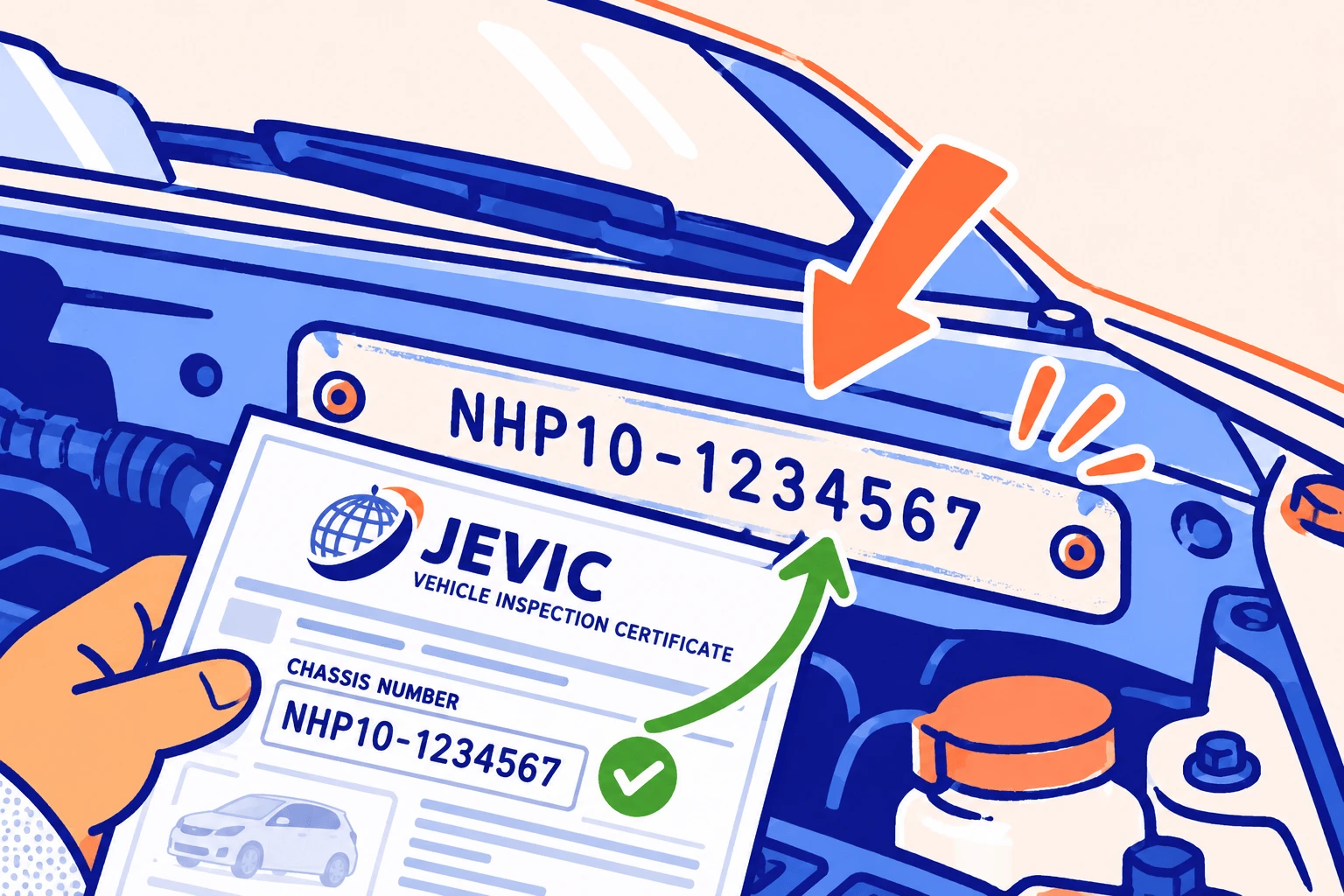
  1. Look for the chassis number and ask for the JEVIC certificate

    A JEVIC certificate held next to the engine-bay plate, with an arrow showing that both chassis numbers match

    Since the JEVIC certificate given to you by the dealer can easily be forged, make sure you get the chassis number from the car (on a plate in the engine bay or door pillar) and check that it matches the chassis number on the JEVIC certificate. Then check the JEVIC mileage online yourself by entering the chassis number in the JEVIC website and make sure they match or are similar.

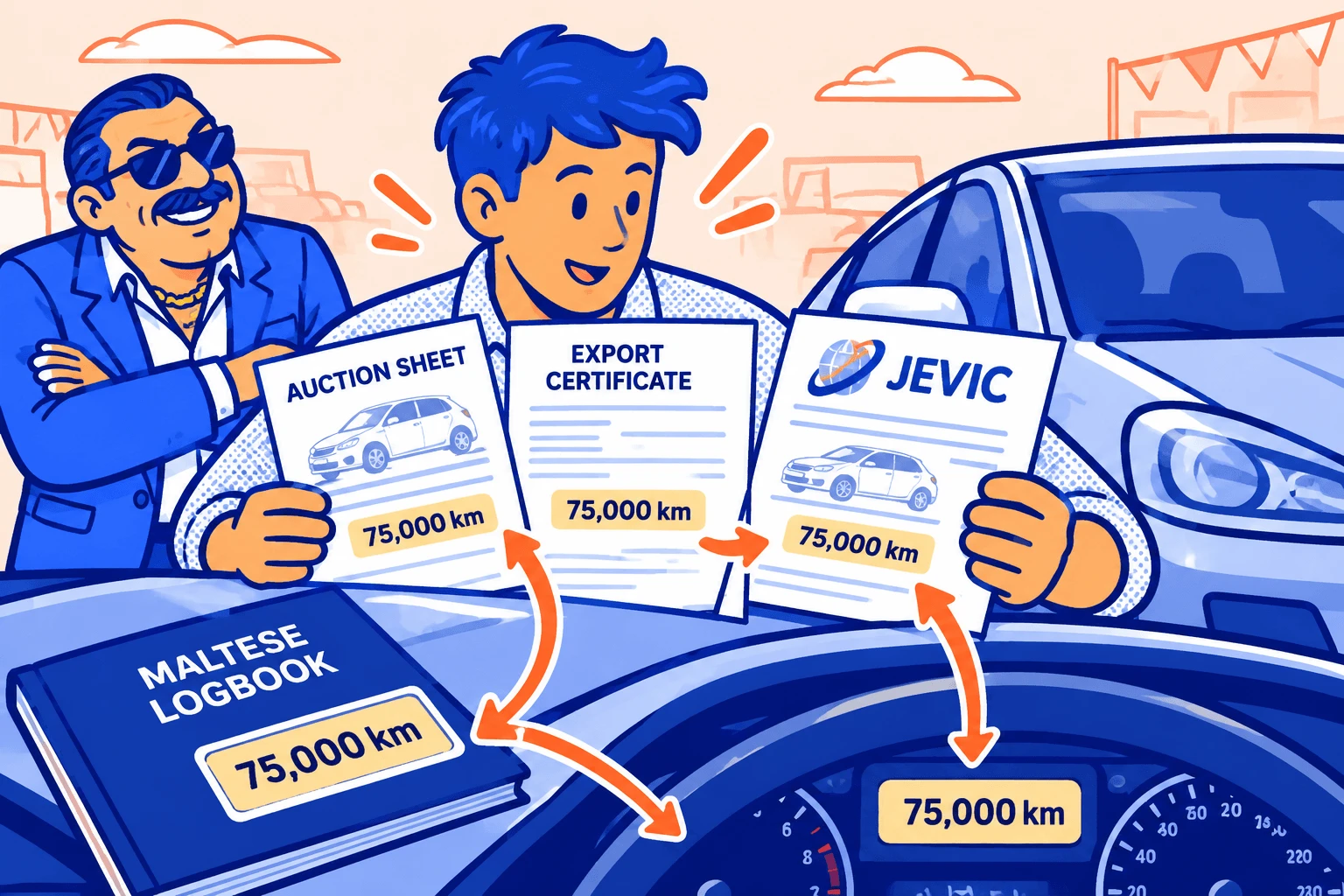
  2. Ask for the auction sheet and export (deregistration) certificate

    A buyer holding the auction sheet, export (deregistration) certificate and JEVIC certificate, all showing 75,000 km, matching the Maltese logbook and the dashboard

    The mileage you get from the JEVIC website should match the mileage on the auction sheet and export (deregistration) certificate and the one on the dashboard, and rise sensibly over time. Compare them also with the Maltese logbook (which is issued by Transport Malta and handed to you by the dealer). If there is a mismatch on any of the documents, then this is a red flag.

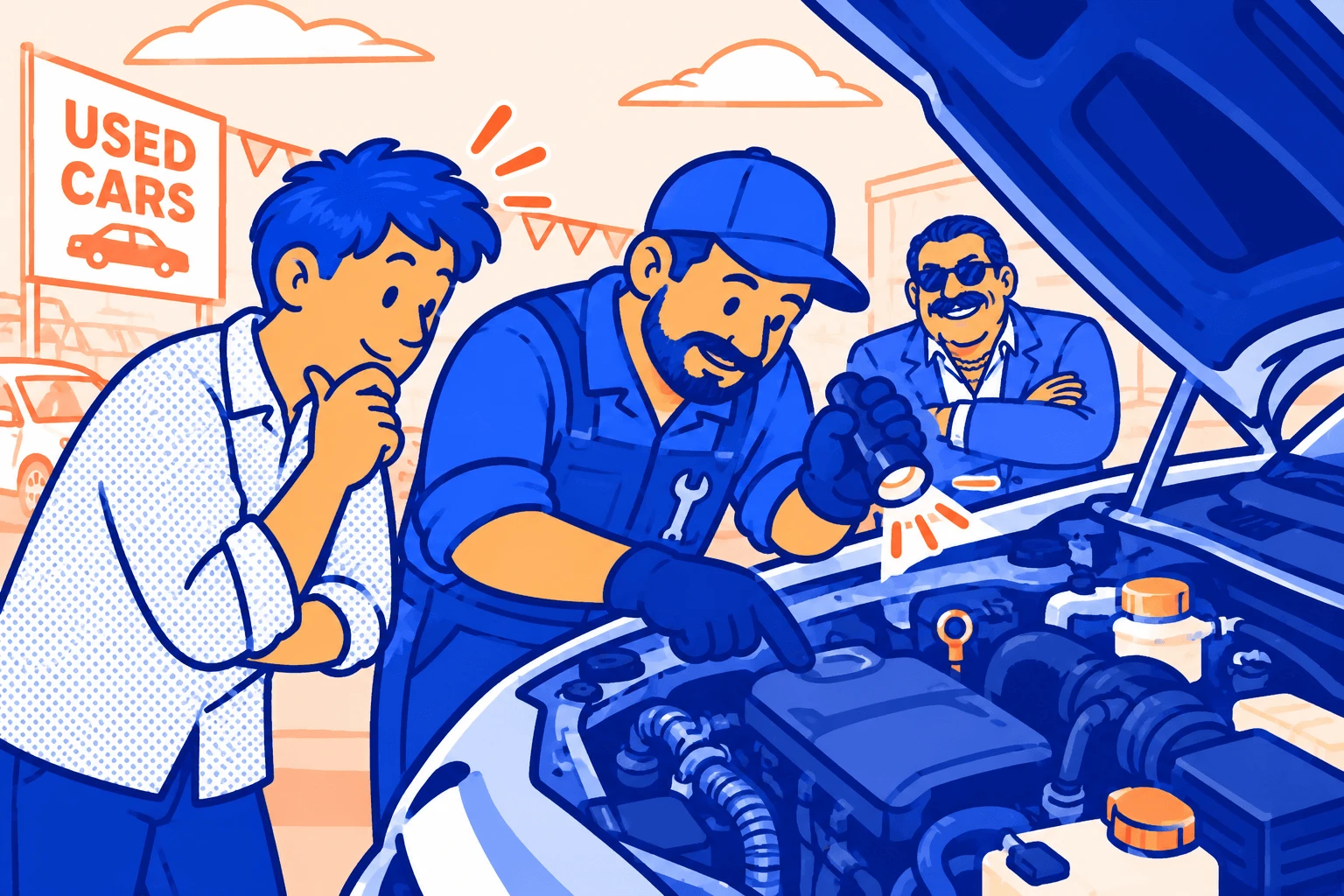
  3. Ask to have an independent mechanic inspect the car

    An independent mechanic inspecting a car engine with a torch while the buyer watches and the dealer looks on with arms crossed

    Wear on the pedals, steering wheel, seats and gear knob should match the mileage. If the dealer refuses any of these steps, do not buy the car.

Check the mileage on the JEVIC website

JEVIC certifies second-hand cars before export and records condition and mileage in an online database searchable by chassis number. This is your most important check.

JEVIC Website ↗

Why

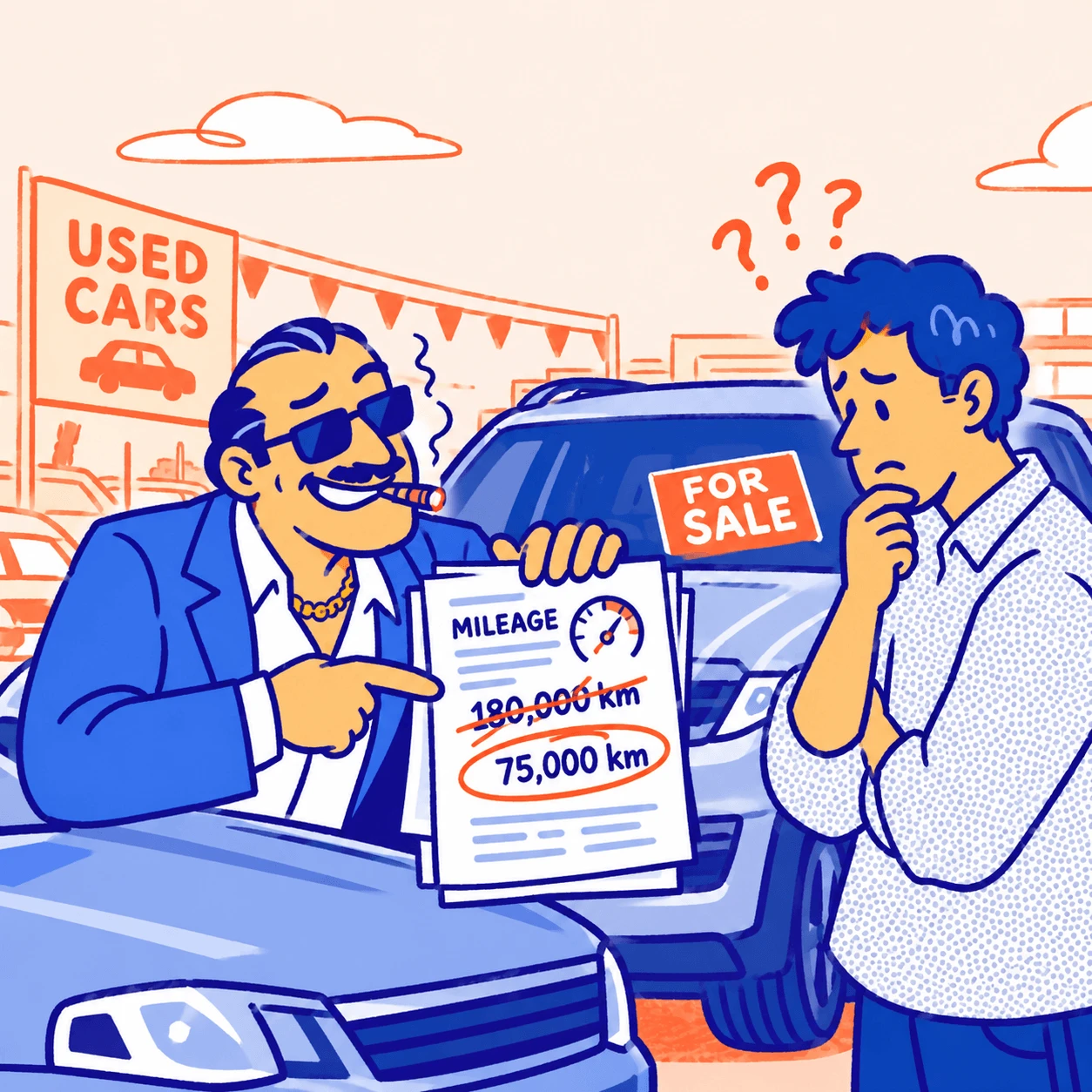
Odometer fraud on Japanese imports has cost Maltese buyers dearly. Hundreds of consumers were sold cars with tampered gauges, and dealers were later charged with odometer fraud and money laundering. This guide shows you how to verify the true mileage before you pay.

Shown in Malta logbook
38,887 km
Original JEVIC certificate
109,785 km

A Mazda Demio, as reported by MaltaToday. That is 70,898 km that vanished.

A used car dealer pointing at a mileage document that shows 180,000 km crossed out and 75,000 km written in, while a worried buyer looks on

Why the chassis number is important

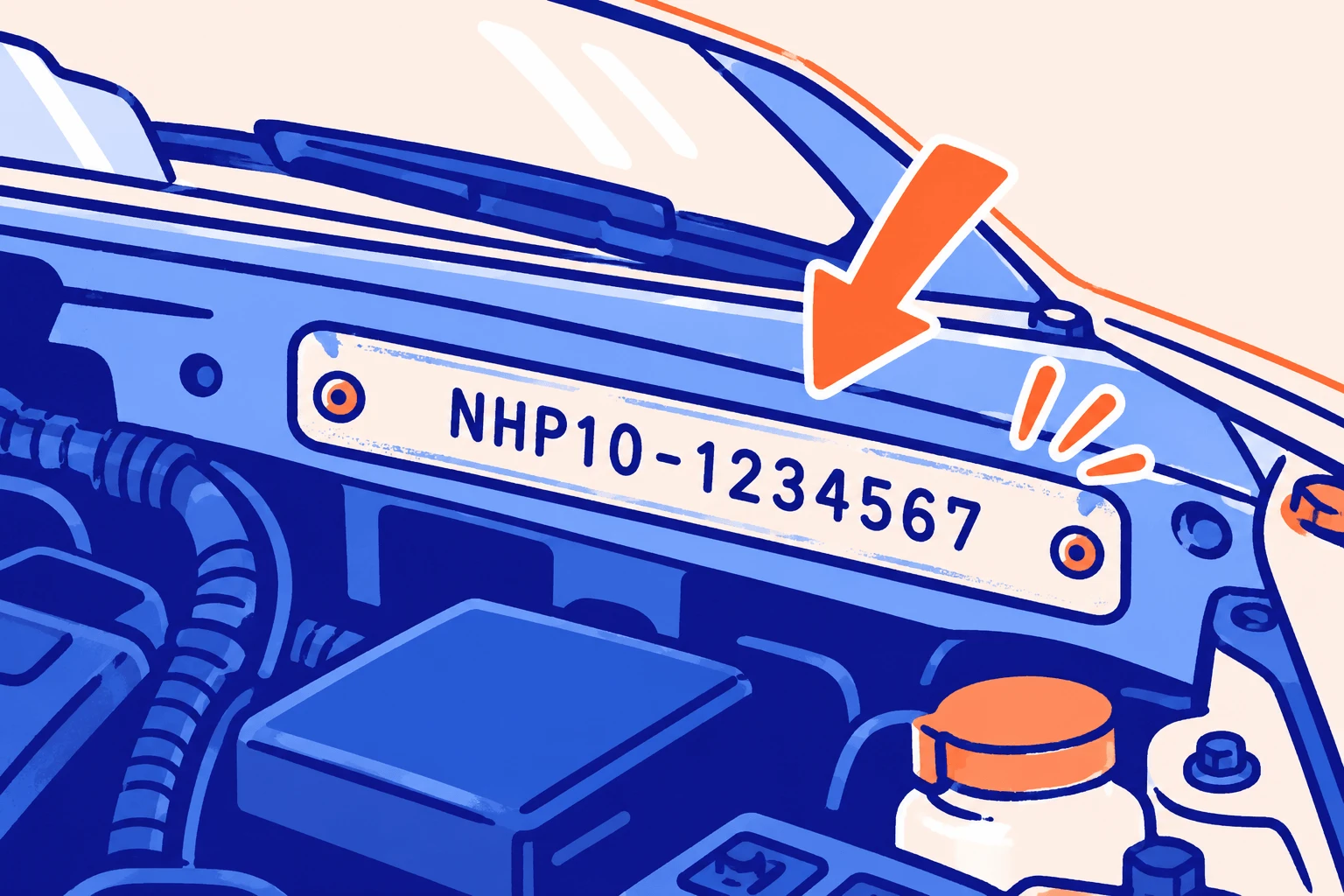
Almost every check depends on it. Japanese domestic-market cars often have a short frame number instead of a 17-character VIN: a model code, a dash, and a serial number, for example NHP10-1234567.

Find it in three places and make sure all three match:

  • The Maltese logbook
  • The plate in the engine bay or on the door pillar
  • JEVIC certificate and import documents

If the number on the car does not match the paperwork, stop. Do not continue with the purchase.

Engine bay of a Japanese car with an arrow pointing to the frame number plate reading NHP10-1234567

Terminology

Get all the documentation you can. A forged paper document can fool you; several independent sources agreeing is much harder to fake.

1

JEVIC certificate and database

JEVIC certifies second-hand cars before export and records condition and mileage in an online database searchable by chassis number. This is your most important check.

Do not trust the paper copy alone. In the fraud cases, dealers used a forged JEVIC certificate showing the fake mileage. Always confirm the figure in the online record yourself.

You need: chassis number, make, model and approximate year. JEVIC certificate number if you have the paper copy.

Official JEVIC e-certificate check ↗
2

Japanese auction sheet

Most exported cars pass through Japanese auctions. The sheet shows mileage, an inspection grade, and a diagram of dents, scratches, rust and repairs. Several online services will find it from the chassis number for a small fee. A good independent cross-check against JEVIC.

You need: chassis number.

3

Export (deregistration) certificate

This official Japanese document records registration history and odometer readings at past inspections. Ask the dealer for a copy and check that the mileage rises in a sensible way over time.

You need: a copy from the dealer.

4

Transport Malta or Maltese Logbook

The Maltese logbook is Transport Malta's registration document for the car. It shows the mileage declared when the car was registered in Malta, which should never be lower than the JEVIC figure. Transport Malta also explains how buyers can check the logbook mileage against the JEVIC database.

You need: Maltese registration number, logbook details and chassis number.

MaltaToday: Transport Malta checklist for buyers ↗
5

UK MOT history (if relevant)

Some "Japanese" cars reach Malta via the UK. The free UK government MOT history shows mileage at every test.

You need: the UK registration number.

GOV.UK: Check MOT history ↗

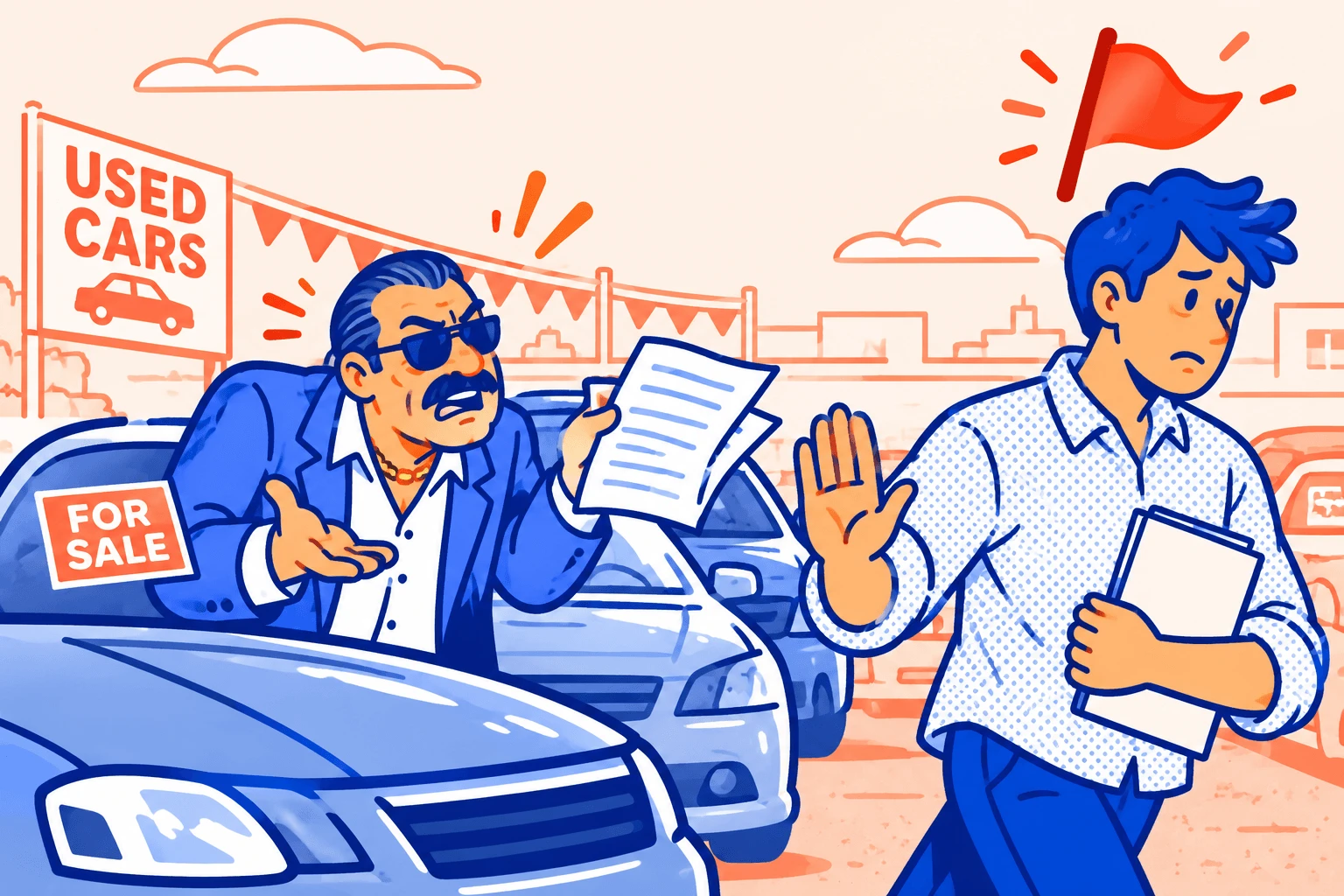
Walk away if

  • The seller can't or won't show the JEVIC certificate.
  • Mileage differs between the logbook, JEVIC, the auction sheet and the dashboard.
  • The car shows far more wear than its mileage suggests.
  • The chassis number on the car doesn't match the paperwork.
  • The price is too good. In the reported racket, high-mileage cars were bought cheaply at Japanese auctions and sold in Malta showing low mileage.

Already bought and found a problem?

Affected buyers have been advised to report their case to the Consumers Authority and the police. Keep the logbook, JEVIC record, sales contract and all messages with the seller.

A buyer holding up a hand to stop a pushy car dealer, with a red flag above the buyer's head

Your buying checklist

Tick items as you complete them. Your progress is saved in this browser only.

    Official Transport Malta Page

    If you need more information go to the official TM site

    Go to the Transport Malta page ↗

    Sources and disclaimer

    Based on MaltaToday reporting:

    This site is an independent guide, not affiliated with JEVIC, Transport Malta or any government body. The comparison tool is indicative only and cannot prove or rule out tampering. It does not replace checking the official records and an independent mechanical inspection.